

SP-230801 • Basic Emergency First Aid Responder Level 1 • NQF Level 2 • Public Classes & On-Site Company Training
QCTO First Aid Training Cape Town:
Basic Emergency First Aid Responder Course
Somebody’s life may depend on what you do in the next three minutes. Learn how to respond with practical, assessed workplace first aid training in Cape Town.
2 Days • From R928 • Killarney Gardens, Cape Town




QCTO Basic Emergency First Aid Responder for Workplace Emergency Preparedness
Skills Programme SP-230801 | Curriculum 900232-000-00-00 | NQF Level 2
Practical First Aid training that helps South African workplaces prepare selected employees for emergency response, scene safety, basic assessment, bleeding response, choking response, patient monitoring, handover and incident reporting.
Practical First Aid Skills
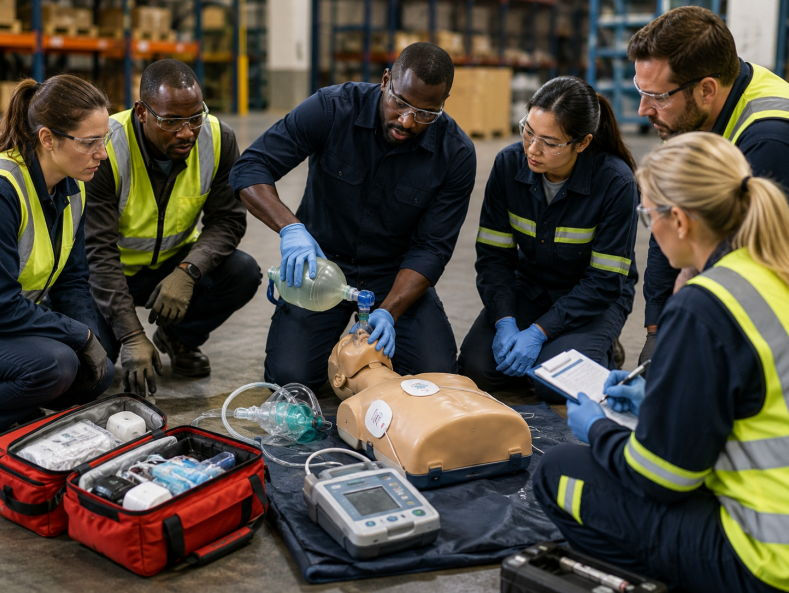
Hands-on practice using realistic workplace emergency scenarios.
Emergency Assessment & Response
Assess the scene, identify immediate risks and provide appropriate first aid.
CPR & Basic Life Support
Practise CPR and basic life-support procedures within the programme scope.
QCTO-Aligned Training
Training aligned to Basic Emergency First Aid Responder SP-230801.
Safer, Better-Prepared Workplaces
Help your team respond more effectively when a workplace emergency occurs.
What Learners and Employers Say About Our First Aid Training
Real feedback from individuals and workplace teams who completed first aid training with Swift Skills Academy.
“The hands-on CPR and bleeding control drills were incredibly realistic – our entire team now feels prepared to handle real emergencies. Best first aid course we've attended!”
“Swift Skills delivered on-site training for our staff – professional, engaging, and fully compliant. Everyone left certified and ready to respond. Excellent value!”
From Classroom to Workplace — Learner Outcomes for QCTO First Aid Training
Basic Emergency First Aid Responder · SP-230801 · Curriculum 900232-000-00-00 · NQF Level 2
Free Download
Workplace First Aid Response Checklist
QCTO Skills Programme SP-230801 | NQF Level 2 | Swift Skills Academy

Why Choose Swift Skills Academy for First Aid Training?
Our QCTO-aligned first aid training in Cape Town combines hands-on CPR practice, emergency scene management, bleeding control, shock management and workplace incident-response procedures to help learners respond calmly and effectively when every second matters.
Experienced First Aid Facilitators
Practical guidance through realistic first aid scenarios and assessed workplace response skills.
Public & On-Site Company Training
Attend public classes in Killarney Gardens, Cape Town, or arrange training at your workplace.
QCTO Skills Programme SP-230801
Basic Emergency First Aid Responder • NQF Level 2 • 2 credits. Successful learners are eligible for certification subject to programme, assessment, learner-recording and QCTO processes.
For Individuals & Workplace Teams
Suitable for individual learners, employees and employer groups needing practical workplace first aid capability.
Fast Booking & Employer Support
Get help with public course dates, learner bookings, company groups and on-site training requirements.


COMPLETE YOUR SAFETY TRAINING
Related Training
Complement this training with related workplace safety competence for the same teams and risk environments


Don’t Miss These Critical
Tips and Warnings
“Scroll through our latest posts for essential insights, practical advice, and cautionary notes designed to keep you ahead.”


Basic Emergency First Aid Responder — QCTO Skills Programme SP-230801
Workplace injuries and medical emergencies can happen without warning. This practical QCTO-aligned Basic Emergency First Aid Responder training helps learners respond safely and confidently to common workplace injuries and emergency situations until professional help arrives
.
The programme is aligned to:
QCTO Skills Programme: Basic Emergency First Aid Responder
Skills Programme ID: SP-230801
Curriculum Code: 900232-000-00-00
NQF Level: Level 2
Credits: 2 Credits
Learners develop practical emergency-response competence through scene safety, basic assessment, immediate care, monitoring, handover and incident reporting. By the end of the programme, participants should be able to:
-
Explain basic emergency first aid principles, first aid kits, workplace notification procedures and emergency response actions.
-
Assess the scene safely and identify the nature and priority of a workplace emergency.
-
Apply basic first aid response techniques for common injuries such as bleeding, burns, wounds, choking, shock and suspected fractures.
-
Perform cardiopulmonary resuscitation and provide basic life support within the Basic Emergency First Aid Responder scope until emergency medical services arrive.
-
Monitor the condition of an injured or ill person until professional help arrives.
-
Perform a clear handover to emergency medical personnel or workplace supervisors.
-
Complete basic incident information, including time, location, observations and response actions taken.
The training combines theory, facilitator-led discussion, workplace examples, practical demonstrations, role-play scenarios and hands-on exercises using first aid equipment and training aids.
Learners must provide valid identification and must be physically able to participate in practical first aid activities, including floor-based response activities where required.
This training helps employers strengthen workplace emergency readiness, first-aider coverage, training records and compliance support under the Occupational Health and Safety framework.
Important update: This course was previously searched as First Aid Level 1 / SAQA Unit Standard 12483. Swift Skills Academy is updating its First Aid training content to reflect the current QCTO Basic Emergency First Aid Responder SP-230801 route.
At the end of the course qualifying learners will be able to:
-
Explain and discuss basic first aid concepts
-
Determine the nature of the injury/medical emergency, the context of the injury and basic first aid
-
Apply basic first aid
-
Hand over the injured/ill person to medical personnel
-
Complete a first aid report
-
The official QCTO curriculum lists Open Access for Basic Emergency First Aid Responder SP-230801. No formal minimum academic qualification is prescribed for entry into the programme.
For learner registration and administration, participants must provide a valid South African identity document or passport. Training and assessment are currently delivered in English.
The programme includes practical first-aid activities, emergency simulations and CPR practice. Learners should advise Swift Skills Academy before enrolment where reasonable accommodation may be required.
English
Classroom, practical demonstrations, role-play, hands-on first aid activities
Training and Assessment
The programme contains a knowledge component and a practical skills component. Training combines facilitator-led learning, demonstrations, emergency simulations, hands-on first-aid practice and assessment of the required programme outcomes.
Learners must meet the internal assessment requirements for both programme components and successfully complete the applicable final integrated summative assessment process.
SP-230801
2 days
NQF Level 2
QCTO
2 credits
From R928 per learner